
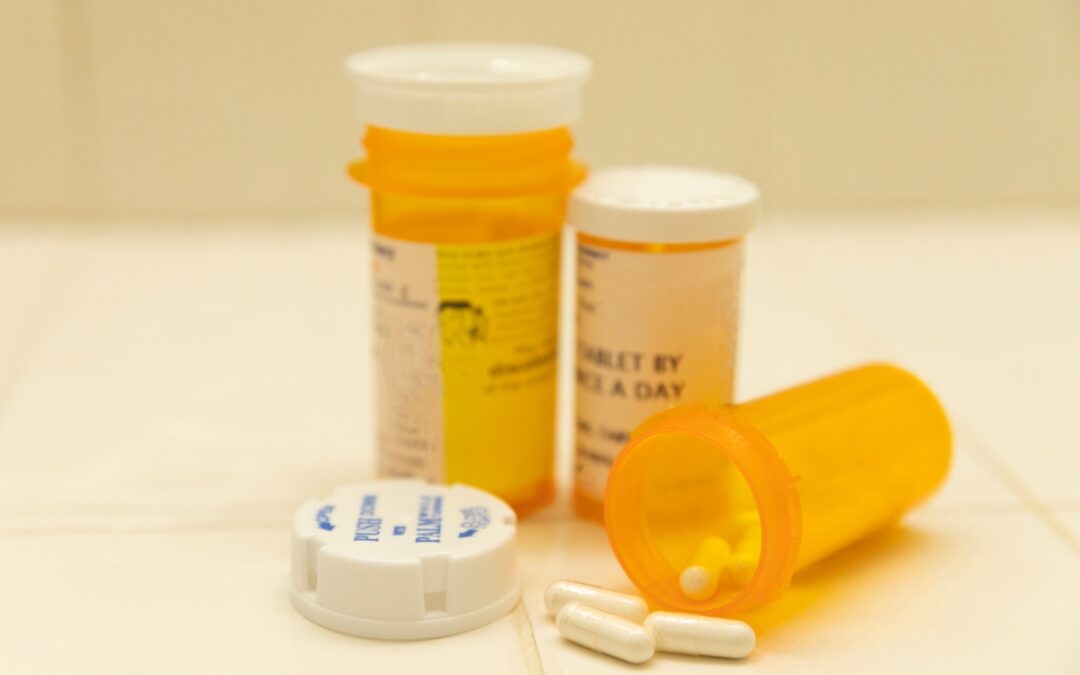
The opioid epidemic has been a growing concern for years now, and it’s one that continues to have devastating effects on communities across the country. One solution that has been gaining popularity in recent years is in-office medication dispensing. This practice involves doctors dispensing medication directly to patients from their offices, rather than sending them to a pharmacy to pick up their prescriptions.
The National Survey on Drug Use and Health estimates that about 2 million patients in the U.S. misuse their prescriptions. Here’s how in-office medication dispensing can help combat the opioid epidemic.
Reduces the Risk of Overprescribing
One of the major contributors to the opioid epidemic is overprescribing. Patients may be given more medication than they need or be given opioids when they don’t need them. In-office medication dispensing can help reduce the risk of overprescribing by allowing doctors to monitor the amount of medication their patients are taking. They can dispense smaller amounts of medication more frequently, rather than give patients a large supply that could potentially be misused.
Improves Medication Adherence
Another issue that can contribute to the opioid epidemic is medication non-adherence. Patients may forget to take their medication or decide to stop taking it altogether. In-office medication dispensing can help improve medication adherence by making it easier for patients to obtain their medication. They can receive their medication directly from their doctor, rather than having to go to a pharmacy. This can also help patients who may have difficulty getting to a pharmacy, such as those who live in rural areas.
Reduces the Risk of Diversion
Diversion, or the illegal transfer of medication from the person who was prescribed it to someone else, is another major contributor to the opioid epidemic. In-office medication dispensing can help reduce the risk of diversion by allowing doctors to control the distribution of medication. Patients can’t sell or give away medication that they don’t have. By dispensing medication directly to patients, doctors can ensure that it’s being used as intended.
Provides An Opportunity for Education and Counseling
In-office medication dispensing also provides an opportunity for doctors to educate their patients about the risks associated with opioid use and to provide counseling for those who may be struggling with addiction. Doctors can discuss the potential side effects of medication and how to safely use it. They can also monitor patients for signs of addiction and intervene early if necessary.
Automatically Reports to the National Database
Most states have a prescription drug monitoring program (PDMP) in place to keep track of medications given to patients. This database helps to ensure that patients aren’t receiving more medication than is safe to prescribe or getting medications from multiple doctors.
Many in-office dispensing services companies use technology that will automatically submit dispensed medications reports to each respective state’s database so physicians don’t have to perform the task manually. That way, when doctors check their state’s PDMP, the information is up-to-date, and it can help healthcare providers to identify patients suspected of misusing or abusing drugs.
Reduces wait times
One of the challenges of using a traditional pharmacy to fill a prescription is the wait time. Patients may have to wait in line or wait for their medication to be filled, which can be inconvenient and frustrating. In-office medication dispensing can help reduce wait times by allowing patients to receive their medication directly from their doctor. This can also help reduce the risk of patients becoming impatient and seeking out other potentially unsafe ways to obtain their medication.
Improves Patient Satisfaction
Finally, in-office medication dispensing can improve patient satisfaction. Patients may appreciate the convenience of receiving their medication directly from their doctor, rather than having to go to a pharmacy. They may also appreciate the personalized attention they receive from their doctor, who can monitor their medication use and provide education and counseling, as needed.
Some patients who misuse drugs go to multiple doctors to get more medication, a practice known as “doctor shopping.” If patients are satisfied with their medical care, their doctor’s attentiveness, and are confident that they are being treated properly, they may be less likely to see another doctor.
In-office medication dispensing is a promising solution to combat the opioid epidemic. It can help reduce the risk of overprescribing, improve medication adherence, reduce the risk of diversion, provide an opportunity for education and counseling, reduce wait times, and improve patient satisfaction. While it may not be the only solution needed to combat the opioid epidemic, in-office medication dispensing can be an important part of a comprehensive approach to reducing opioid misuse and addiction.
You can get started in dispensing medication in-office by contacting a pharmaceutical services company. These companies make medication dispensing easy by providing pre-packaged and portioned medications, great customer service, and easy-to-use technology. Most states allow doctors to dispense medication, making it an ideal choice for clinics that want to improve their services and help prevent medication abuse.