
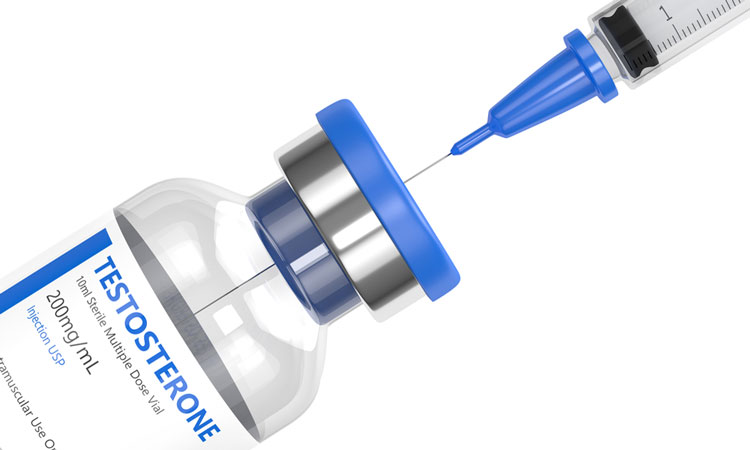
Testosterone Replacement Therapy (TRT) has become the standard of care for men experiencing the debilitating symptoms of low testosterone. As men age, their testosterone levels naturally decline, which can lead to various physical, emotional, and cognitive challenges. It’s important to understand the details of TRT, its benefits, and what patients can expect from this treatment.
Understanding Low Testosterone
Testosterone is a hormone crucial for developing male secondary sex characteristics, maintaining muscle mass, supporting mood, and facilitating sexual function. Men typically reach peak testosterone levels in their late teens to early twenties, with a gradual decline starting around age 30. By the time a man reaches his 40s or 50s, he may start experiencing symptoms of low testosterone, also known as hypogonadism.
Common symptoms of low testosterone include fatigue and decreased energy; reduced muscle mass and strength; weight gain, particularly increased body fat; low libido and erectile dysfunction; mood swings, irritability, and depression; difficulty concentrating and memory problems. These symptoms can significantly impact a man’s quality of life, making TRT a valuable treatment option for many people.
What Is Testosterone Replacement Therapy?
Testosterone Replacement Therapy involves the administration of synthetic testosterone to restore hormone levels to a normal range. This therapy can be delivered through various methods, including injections, patches, gels, and pellets implanted under the skin.
Testosterone injections are typically administered every one to two weeks. They provide a quick boost in testosterone levels but can cause fluctuations between doses. Applied daily, testosterone patches release a steady amount of hormone through the skin. Testosterone gels are applied daily to the skin, allowing the hormone to be absorbed directly into the bloodstream. Implanted under the skin every three to six months, testosterone pellets provide a slow, steady release of the hormone.
Benefits of Testosterone Replacement Therapy
One of the most obvious benefits of TRT is improvement in mood and overall mental well-being. Men undergoing TRT often report feeling more energetic, less irritable, and experience fewer symptoms of depression and anxiety. Enhanced cognitive function, including better focus and memory, is also common.
Low testosterone levels can have a big impact on libido and sexual performance. TRT helps increase sexual desire and can improve erectile function, leading to a more satisfying sex life for the patient.
Testosterone supports muscle mass and strength. Men receiving TRT often see an improvement in muscle tone and a reduction in body fat. This physical transformation can lead to increased confidence and a sense of well-being.
Testosterone helps maintain bone density. As men age and testosterone levels decline, the risk of osteoporosis and fractures increases. TRT helps maintain and even improve bone density, reducing the risk of fractures and improving overall skeletal health.
While the relationship between testosterone and heart health is complex, some studies suggest that TRT can improve certain cardiovascular risk factors. Testosterone therapy has been shown to increase red blood cell count, which can enhance oxygen delivery throughout the body. Additionally, some research indicates that TRT may improve cholesterol levels and reduce the risk of heart disease.
What to Expect from Testosterone Replacement Therapy
TRT begins with a comprehensive consultation and diagnosis. This involves a medical history, physical examination, and blood tests to measure testosterone levels. It is crucial to work with a healthcare provider with experience in hormone therapy to facilitate an accurate diagnosis and appropriate treatment plan.
Once a diagnosis of low testosterone is confirmed, the healthcare provider will discuss the various TRT options and recommend a method that takes into consideration the patient’s lifestyle and preferences. The initial phase of treatment may involve some trial and error to determine the optimal dosage and delivery method.
Regular monitoring is a critical component of TRT. Patients will need to have their testosterone levels checked periodically to ensure they remain within the desired range. Additionally, healthcare providers will monitor for potential side effects and make any necessary adjustments to the treatment plan.
Potential Side Effects
While TRT is generally safe, it is not without potential side effects. Common side effects include acne and oily skin; increased red blood cell count; sleep apnea; enlarged breast tissue; and decreased testicular size. It is essential to discuss these potential risks with a healthcare provider and have regular follow-up appointments to monitor for any adverse effects.
TRT is a long-term commitment. Stopping treatment suddenly may result in a return of low testosterone symptoms. However, with ongoing therapy and regular monitoring, most men can experience significant improvements in their quality of life.
Is Testosterone Replacement Therapy Right for You?
Deciding to pursue TRT is a personal decision that should be made in consultation with a qualified healthcare provider. Men experiencing symptoms of low testosterone should undergo a thorough evaluation to determine if they are suitable candidates for hormone therapy. The benefits of TRT can be life-changing, but you need to weigh the potential risks and commit to regular monitoring and follow-up care.
Testosterone Replacement Therapy offers a promising solution for men struggling with the symptoms of low testosterone. From improved mood and mental health to enhanced physical performance and sexual function, TRT can significantly improve quality of life. By working closely with a healthcare provider, you can navigate the complexities of hormone therapy and regain your vitality and well-being.